
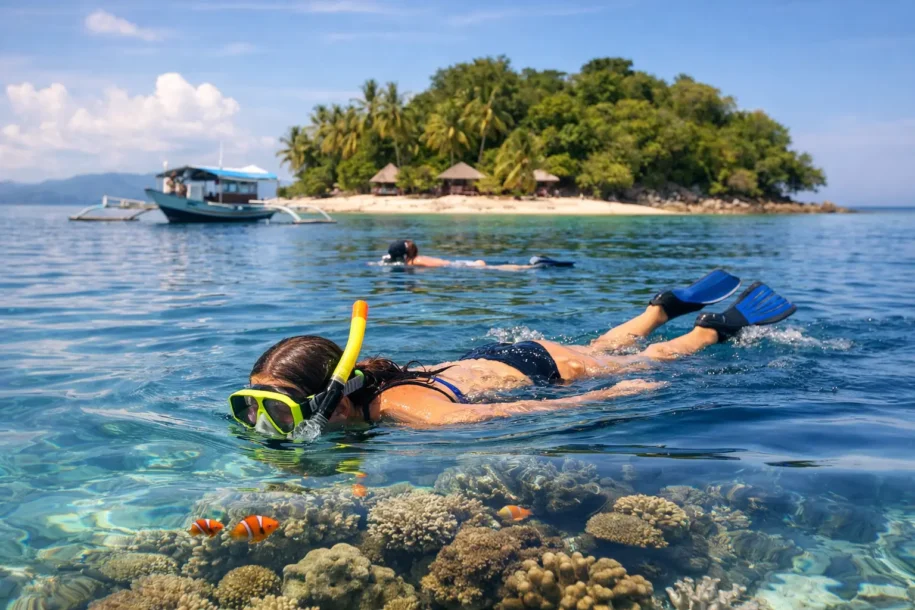
The first glimpse below the surface can be the best part of a Sabah island day: sunlight flickering across shallow water, small fish moving through the blue, and the busy holiday pace suddenly replaced by the quiet sound of breathing through a mask. Ara Dinawan Island snorkeling is a relaxed way to experience Sabah’s coast, especially for travelers who want ocean time without needing diving certification or advanced water skills.
For couples, families, and friend groups staying in Kota Kinabalu, it can add a refreshing change of scene to an itinerary filled with city sightseeing, highland views, and adventure activities. The key is to come prepared, listen to your guide, and let the day move at island pace rather than trying to rush every moment.
Why Ara Dinawan Island Snorkeling Is Worth Your Time
Snorkeling is one of the most approachable ways to get close to the sea. You do not need to carry heavy dive equipment or learn complicated underwater techniques. With a properly fitted mask, snorkel, fins when provided, and a little guidance, most confident swimmers can enjoy looking into a world that is normally hidden from the shore.
Ara Dinawan Island is best enjoyed as a nature-focused escape. The experience is not only about what you may see underwater. It is also about the boat ride, open coastal views, sea breeze, time on the beach, and sharing an easygoing outdoor adventure with the people traveling with you.
Conditions can change from day to day. Water clarity, currents, weather, tides, and marine activity all affect the snorkeling experience. Some days offer bright, calm water and clear views below the surface; on others, wind or recent rain may reduce visibility. A good island trip sets the right expectation: nature is the attraction, and nature does not perform on a fixed schedule.
Who Will Enjoy This Island Activity?
Ara Dinawan Island snorkeling can suit first-time snorkelers, active families, couples, and groups looking for a lighter adventure day. It is particularly appealing if you enjoy swimming, beach scenery, and taking photos, but do not want the technical commitment of scuba diving.
Children and less confident swimmers should only enter the water with close adult supervision and according to the operator’s safety guidance. Life jackets are not a sign that someone is inexperienced. They are a sensible way to conserve energy, stay comfortable, and focus on the view below rather than staying afloat.
If you have a strong fear of open water, suffer from severe motion sickness, or are not comfortable putting your face in the water, snorkeling may feel more challenging. There is no need to force it. You can still enjoy the island atmosphere, swim near shore if permitted, or relax on the beach while others snorkel.
What the Snorkeling Experience Usually Feels Like
Your day generally begins before you reach the island. There may be a transfer to the departure point, a boat ride, and a safety briefing before water activities begin. Pay attention during this part of the trip. Your guide’s instructions are there to help you understand where to swim, how long to stay in the water, what to do if you feel tired, and how to protect the marine environment.
Once you arrive, take a few minutes to settle in. Put on sunscreen before getting wet, secure loose items, and check that your mask fits comfortably. A leaking mask can turn a beautiful first swim into a frustrating one, but a simple adjustment to the strap or hair around the seal often solves the problem.
For beginners, start in shallow or calmer water when your guide advises it. Float face-down, breathe slowly through the snorkel, and resist the urge to kick hard. Gentle, steady movements help you save energy and avoid stirring up sand. The more relaxed you become, the more you notice.
Do not expect an aquarium with perfect visibility at every turn. Snorkeling is more rewarding when you slow down. Look carefully at the changing colors of the water, watch for small movements, and give yourself time to become comfortable with the mask and snorkel.
A quick first-timer tip
Before swimming farther out, practice breathing through the snorkel while standing or floating in a safe shallow area. Lift your head if water enters the tube, clear it as instructed, and try again. Most first-timers need only a few minutes to find their rhythm.
What to Bring for a Comfortable Day
Pack light, but pack smart. Swimwear, a towel, dry clothes, reef-safe sunscreen, a hat, sunglasses, and a reusable water bottle are practical basics. A waterproof phone pouch or action camera can be useful for photos, although it is wise to keep valuable electronics secured when not in use.
Bring motion sickness medication if you know boat travel affects you, and take it according to the product directions before departure. A rash guard or lightweight long-sleeve swim top can also make a big difference under the Sabah sun, especially if you plan to spend a long time in and around the water.
Avoid bringing more than you can comfortably manage. Island trips are more enjoyable when your hands are free, your belongings are organized, and you are not worrying about items getting wet or lost.
Safety Comes Before the Photo
The best snorkeling photos are never worth ignoring a guide’s instructions. Stay within the designated snorkeling area, use safety equipment as directed, and tell a crew member immediately if you feel unwell, cold, tired, anxious, or unsure. Even capable swimmers can become fatigued after time in the sun and saltwater.
Do not snorkel alone. Keep your travel companion or group within sight, and avoid swimming beyond the area recommended by your guide. Boats, currents, and changing conditions are reasons to remain alert, even on a calm-looking day.
Marine life deserves space too. Do not touch coral, chase fish, stand on reef structures, or collect shells and creatures as souvenirs. Touching coral can damage fragile growth, while standing on it can harm both the reef and your feet. The most memorable encounter is one that leaves the underwater environment exactly as you found it.
Hydration matters more than many visitors expect. Saltwater, heat, swimming, and excitement can make you forget to drink. Take regular breaks in the shade, sip water throughout the day, and reapply sunscreen after swimming when needed.
Choosing the Right Day for Ara Dinawan Island Snorkeling
Weather is part of every Sabah sea adventure. A bright forecast can be encouraging, but local sea conditions matter more than the color of the sky from your hotel window. Operators may adjust timing, activities, or routes when conditions call for it. That flexibility is a responsible part of running island experiences.
If snorkeling is a major priority for your vacation, consider scheduling it early in your stay rather than on your final day. This gives you more room to adjust plans if weather or sea conditions require a change. It is also smart to avoid booking too many physically demanding activities back-to-back. A full day in the sun can be tiring, even when it feels wonderfully relaxing.
Travelers planning several Sabah experiences can balance an island day with a highland adventure in Kundasang or a wildlife-focused evening near Bongawan. The contrast is part of what makes Sabah special: mountain air, forest trails, rivers, and warm coastal waters can all fit into one memorable trip.
Make the Day Feel Like a Holiday, Not a Checklist
Ara Dinawan Island snorkeling is better when you leave room for the small moments. Sit quietly after your swim. Look back toward the coastline during the boat ride. Share the photos, but do not spend the whole day behind a screen. The sea has a way of making a busy travel schedule feel lighter.
If you are arranging an island activity through ATV Borneo Adventure, ask about the day’s current plan, pickup arrangements, what equipment is included, and any age or health considerations before booking. Clear information helps your group arrive ready to enjoy the experience.
Come with curiosity, respect the water, and give yourself permission to move slowly. The island will do the rest.
Leave a Reply