How to Control ATV Downhill Safely

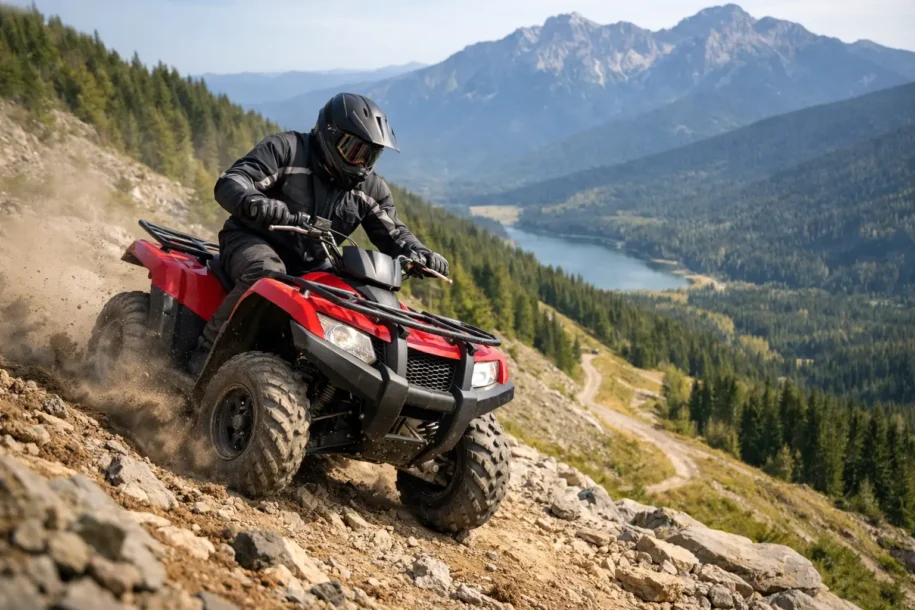
A downhill section can look easy from the seat of an ATV, especially when the trail opens toward a beautiful mountain view. Then the ground drops away, the surface turns loose, and speed builds faster than expected. Knowing how to control ATV downhill is what turns that moment from a panic brake into a calm, memorable part of the ride.

For first-time riders in Kundasang and Ranau, the goal is not to rush downhill. It is to stay balanced, choose a controlled pace, and follow the guide’s instructions from the moment the descent begins. A smooth, careful ride also gives you more time to enjoy the fresh highland air and the remarkable Mount Kinabalu scenery around you.

Start With the Right Mindset: Slow Is Skilled

Downhill riding is not a test of bravery. It is a test of patience. The most common mistake is entering a slope too quickly and trying to fix the situation halfway down. By then, the ATV may feel heavy, the wheels may lose grip, and sudden movements can make control harder.

Before you descend, pause if the guide instructs you to. Look at the trail ahead and identify the direction it takes, any ruts or rocks, wet patches, and where the slope levels out. Choose a speed that feels almost too slow at the top. Gravity will add momentum on the way down.

On a guided ATV tour, keep a safe gap behind the rider in front. Do not follow so closely that you have no room to slow down if they stop or take a careful line through a rough section. Your guide knows the route and its changing conditions, so treat hand signals, verbal instructions, and stopping points as part of the adventure, not an interruption to it.

How to Control ATV Downhill With Braking

Good braking downhill is gradual and balanced. Avoid grabbing a brake lever suddenly or holding the brakes so hard that the wheels lock. Locked wheels can slide across loose gravel, mud, leaves, or wet soil, taking away the steering control you need.

Instead, apply the brakes gently and progressively before your speed increases too much. Keep your inputs smooth. If you feel the ATV beginning to slide, do not panic and make a sharp correction. Ease off slightly, look toward the safe path you want to travel, and let the tires regain traction where possible.

The exact brake feel depends on the ATV model, trail surface, slope angle, and whether the vehicle is carrying one or two riders. This is why the safety briefing matters. Learn where the controls are before the tour begins, test your comfort on flatter terrain, and ask the instructor to repeat anything that is unclear.

Some ATVs have lower gears or engine braking that can help reduce speed on a descent. Use the setting your guide recommends for that vehicle and route. Never experiment with gear changes while already moving down a steep, technical slope unless you have been instructed to do so.

Put Your Body Where the ATV Needs It

Your body position helps the ATV stay stable. On a descent, shift your weight slightly rearward while keeping both feet firmly on the footrests. Keep your knees relaxed, your arms bent, and your grip secure but not rigid. A stiff rider often transmits every bump into a jerky steering movement.

Keep your head up and eyes ahead. Looking directly at a rut, tree, or rock can make you steer toward it without realizing it. Instead, scan several yards ahead and focus on the clearest available line. Your hands and ATV tend to follow where your eyes lead.

Do not lean dramatically to one side or hang your body off the ATV. Controlled, centered movements are more useful than exaggerated ones. On uneven ground, let your knees and elbows absorb some of the terrain while maintaining a stable posture.

If you are riding as a passenger on a double ATV, follow the driver’s safety instructions and avoid sudden shifts in weight. Hold on properly, keep your feet placed where directed, and move smoothly with the vehicle. The driver needs predictable balance, especially on downhill sections.

Choose the Smoothest Line, Not the Fastest One

A trail rarely offers one perfect route downhill. There may be tire tracks, shallow ruts, scattered stones, or softer edges near vegetation. Your guide will usually show the safest line, and following it is the smart choice even if another path looks quicker.

Aim for the most stable, open section of trail. Avoid riding on the outer edge of a slope where the ground can be softer or uneven. Keep the ATV pointed straight downhill whenever possible. Turning sharply across a steep slope can affect balance and traction, particularly on wet or loose surfaces.

Ruts deserve extra attention. A small rut may guide the wheels safely along the trail, while a deeper one can catch a tire and pull the steering. Do not fight the handlebars aggressively. Reduce speed, stay relaxed, and guide the ATV through with steady control.

After rain, Sabah’s mountain trails can become more slippery and unpredictable. Mud changes how quickly an ATV responds to steering and braking. On wet days, allow more stopping distance, reduce your speed earlier, and accept that a slower descent is the right call. Great views are better enjoyed when everyone reaches the next stop safely.

Never Coast, Rush, or Copy Another Rider Blindly

It can be tempting to release the controls and coast downhill, especially on a long open slope. Do not do it. Coasting gives gravity full control of your speed and leaves you reacting late when the trail changes.

Likewise, do not try to match the pace of a more experienced rider. Their confidence, body position, and familiarity with the ATV may be different from yours. Ride at the speed that lets you brake gently, steer accurately, and stay comfortable.

There is also no benefit in racing to the bottom for a photo stop. A well-run guided tour is about the ride, the landscape, and the shared experience with your group. Take the descent seriously, then enjoy the satisfaction of arriving composed and ready for the next trail section.

What to Do if the ATV Starts Sliding

A small loss of traction can feel dramatic, but your response should remain measured. Keep your body balanced, look toward the direction you want to go, and avoid yanking the handlebars. Sudden steering can worsen a slide.

Ease the braking pressure rather than locking the wheels. If the route is narrow, keep the ATV aligned with the trail and let it slow in a controlled way. Do not put a foot down to try to stop the vehicle. Your feet belong on the footrests, where they are protected from rocks, wheels, and uneven ground.

If you feel unsure, stop only where it is safe and signal your guide. There is no embarrassment in asking for help, requesting a demonstration, or choosing a slower pace. Friendly local guides are there to build confidence, particularly for riders experiencing an ATV trail for the first time.

Prepare Before the Trail Drops

The best downhill control begins before you start the engine. Wear the helmet and protective equipment provided, secure loose clothing, and choose closed-toe shoes with reliable grip. Sandals, loose scarves, and unsecured bags can distract you when you need full attention on the trail.

Listen closely during the safety briefing, even if you have ridden an ATV elsewhere. Every vehicle and route has its own controls, terrain, and rules. Tell the staff if you are nervous, have limited riding experience, or are riding with a child or passenger. A good operator can place you in a suitable group, explain the basics clearly, and guide you through the first sections at a comfortable pace.

At ATV Borneo Adventure, guided riding gives visitors a welcoming way to experience Kundasang’s off-road terrain without having to figure out unfamiliar mountain trails alone. The guide’s local knowledge is especially valuable when weather and surface conditions change.

A controlled downhill is not about proving anything. Keep your speed low, your movements smooth, and your attention on the trail ahead. Then, when the path levels out and the mountain landscape opens before you, you can take a breath, share a smile with your group, and enjoy the kind of Sabah adventure that stays with you long after the ride ends.

Leave a Reply

Your email address will not be published. Required fields are marked *

You may use these HTML tags and attributes: <a href="" title=""> <abbr title=""> <acronym title=""> <b> <blockquote cite=""> <cite> <code> <del datetime=""> <em> <i> <q cite=""> <s> <strike> <strong>

How to Control ATV Downhill Safely

A downhill section can look easy from the seat of an ATV, especially when the trail opens toward a beautiful mountain view. Then the ground drops away, the surface turns loose, and speed builds faster than expected. Knowing how to control ATV downhill is what turns that moment from a panic brake into a calm, memorable part of the ride.

For first-time riders in Kundasang and Ranau, the goal is not to rush downhill. It is to stay balanced, choose a controlled pace, and follow the guide’s instructions from the moment the descent begins. A smooth, careful ride also gives you more time to enjoy the fresh highland air and the remarkable Mount Kinabalu scenery around you.

Start With the Right Mindset: Slow Is Skilled

Downhill riding is not a test of bravery. It is a test of patience. The most common mistake is entering a slope too quickly and trying to fix the situation halfway down. By then, the ATV may feel heavy, the wheels may lose grip, and sudden movements can make control harder.

Before you descend, pause if the guide instructs you to. Look at the trail ahead and identify the direction it takes, any ruts or rocks, wet patches, and where the slope levels out. Choose a speed that feels almost too slow at the top. Gravity will add momentum on the way down.

On a guided ATV tour, keep a safe gap behind the rider in front. Do not follow so closely that you have no room to slow down if they stop or take a careful line through a rough section. Your guide knows the route and its changing conditions, so treat hand signals, verbal instructions, and stopping points as part of the adventure, not an interruption to it.

How to Control ATV Downhill With Braking

Good braking downhill is gradual and balanced. Avoid grabbing a brake lever suddenly or holding the brakes so hard that the wheels lock. Locked wheels can slide across loose gravel, mud, leaves, or wet soil, taking away the steering control you need.

Instead, apply the brakes gently and progressively before your speed increases too much. Keep your inputs smooth. If you feel the ATV beginning to slide, do not panic and make a sharp correction. Ease off slightly, look toward the safe path you want to travel, and let the tires regain traction where possible.

The exact brake feel depends on the ATV model, trail surface, slope angle, and whether the vehicle is carrying one or two riders. This is why the safety briefing matters. Learn where the controls are before the tour begins, test your comfort on flatter terrain, and ask the instructor to repeat anything that is unclear.

Some ATVs have lower gears or engine braking that can help reduce speed on a descent. Use the setting your guide recommends for that vehicle and route. Never experiment with gear changes while already moving down a steep, technical slope unless you have been instructed to do so.

Put Your Body Where the ATV Needs It

Your body position helps the ATV stay stable. On a descent, shift your weight slightly rearward while keeping both feet firmly on the footrests. Keep your knees relaxed, your arms bent, and your grip secure but not rigid. A stiff rider often transmits every bump into a jerky steering movement.

Keep your head up and eyes ahead. Looking directly at a rut, tree, or rock can make you steer toward it without realizing it. Instead, scan several yards ahead and focus on the clearest available line. Your hands and ATV tend to follow where your eyes lead.

Do not lean dramatically to one side or hang your body off the ATV. Controlled, centered movements are more useful than exaggerated ones. On uneven ground, let your knees and elbows absorb some of the terrain while maintaining a stable posture.

If you are riding as a passenger on a double ATV, follow the driver’s safety instructions and avoid sudden shifts in weight. Hold on properly, keep your feet placed where directed, and move smoothly with the vehicle. The driver needs predictable balance, especially on downhill sections.

Choose the Smoothest Line, Not the Fastest One

A trail rarely offers one perfect route downhill. There may be tire tracks, shallow ruts, scattered stones, or softer edges near vegetation. Your guide will usually show the safest line, and following it is the smart choice even if another path looks quicker.

Aim for the most stable, open section of trail. Avoid riding on the outer edge of a slope where the ground can be softer or uneven. Keep the ATV pointed straight downhill whenever possible. Turning sharply across a steep slope can affect balance and traction, particularly on wet or loose surfaces.

Ruts deserve extra attention. A small rut may guide the wheels safely along the trail, while a deeper one can catch a tire and pull the steering. Do not fight the handlebars aggressively. Reduce speed, stay relaxed, and guide the ATV through with steady control.

After rain, Sabah’s mountain trails can become more slippery and unpredictable. Mud changes how quickly an ATV responds to steering and braking. On wet days, allow more stopping distance, reduce your speed earlier, and accept that a slower descent is the right call. Great views are better enjoyed when everyone reaches the next stop safely.

Never Coast, Rush, or Copy Another Rider Blindly

It can be tempting to release the controls and coast downhill, especially on a long open slope. Do not do it. Coasting gives gravity full control of your speed and leaves you reacting late when the trail changes.

Likewise, do not try to match the pace of a more experienced rider. Their confidence, body position, and familiarity with the ATV may be different from yours. Ride at the speed that lets you brake gently, steer accurately, and stay comfortable.

There is also no benefit in racing to the bottom for a photo stop. A well-run guided tour is about the ride, the landscape, and the shared experience with your group. Take the descent seriously, then enjoy the satisfaction of arriving composed and ready for the next trail section.

What to Do if the ATV Starts Sliding

A small loss of traction can feel dramatic, but your response should remain measured. Keep your body balanced, look toward the direction you want to go, and avoid yanking the handlebars. Sudden steering can worsen a slide.

Ease the braking pressure rather than locking the wheels. If the route is narrow, keep the ATV aligned with the trail and let it slow in a controlled way. Do not put a foot down to try to stop the vehicle. Your feet belong on the footrests, where they are protected from rocks, wheels, and uneven ground.

If you feel unsure, stop only where it is safe and signal your guide. There is no embarrassment in asking for help, requesting a demonstration, or choosing a slower pace. Friendly local guides are there to build confidence, particularly for riders experiencing an ATV trail for the first time.

Prepare Before the Trail Drops

The best downhill control begins before you start the engine. Wear the helmet and protective equipment provided, secure loose clothing, and choose closed-toe shoes with reliable grip. Sandals, loose scarves, and unsecured bags can distract you when you need full attention on the trail.

Listen closely during the safety briefing, even if you have ridden an ATV elsewhere. Every vehicle and route has its own controls, terrain, and rules. Tell the staff if you are nervous, have limited riding experience, or are riding with a child or passenger. A good operator can place you in a suitable group, explain the basics clearly, and guide you through the first sections at a comfortable pace.

At ATV Borneo Adventure, guided riding gives visitors a welcoming way to experience Kundasang’s off-road terrain without having to figure out unfamiliar mountain trails alone. The guide’s local knowledge is especially valuable when weather and surface conditions change.

A controlled downhill is not about proving anything. Keep your speed low, your movements smooth, and your attention on the trail ahead. Then, when the path levels out and the mountain landscape opens before you, you can take a breath, share a smile with your group, and enjoy the kind of Sabah adventure that stays with you long after the ride ends.

Leave a Reply

Your email address will not be published. Required fields are marked *

You may use these HTML tags and attributes: <a href="" title=""> <abbr title=""> <acronym title=""> <b> <blockquote cite=""> <cite> <code> <del datetime=""> <em> <i> <q cite=""> <s> <strike> <strong>